
Want smooth, reliable garage door performance? Explore the essential parts of a garage door opener to keep your system running safely and efficiently.
Garage door openers are built to last, but regular maintenance and replacement of worn components are key to keeping them in optimal condition. Whether you’re a homeowner performing preventive care or a technician handling repairs, knowing the essential parts for a garage door opener helps extend the unit’s life and avoid unexpected breakdowns.
Modern openers consist of mechanical, electrical, and safety components. Each plays a vital role in the system’s function, from lifting and lowering the door to ensuring safe usage. Understanding how these parts work and when to replace them improves long-term performance and avoids costly service calls.

A simple guide to the key maintenance parts of a garage door opener, how to spot signs of wear, and when to replace them. Staying informed helps prevent breakdowns and keeps the garage door safe for everyone.
Why It’s Important to Maintain the Right Parts for a Garage Door Opener
Wear and Tear Over Time
Garage door openers consist of various mechanical and electrical components that lift and lower the garage door. With continued use, these parts inevitably experience wear due to friction, electrical cycling, and environmental exposure. Even under normal conditions, components such as belts, chains, sensors, springs, and circuit boards are subject to stress and degradation.
Risks of Ignoring Small Issues
Minor problems, like frayed belts, loose chains, or misaligned sensors, may not seem urgent initially, but can quickly lead to more significant complications. Ignoring early warning signs can result in total system failure, costly repairs, or damage to the garage door and surrounding structure. In some cases, it can even create safety hazards for people and property.
Benefits of Proactive Maintenance
Keeping your garage door opener in top condition starts with proactive maintenance. Routine inspections and prompt replacement of worn parts help to:
- Reduce operational noise
- Improve system efficiency
- Extend the life of the opener
- Prevent damage to the door and other components
- Enhance overall safety and reliability
Cost and Safety Advantages
A preventive approach helps avoid expensive emergency repairs and reduces the risk of injury or damage caused by unexpected malfunctions. A well-maintained system contributes to home security, especially if the garage door is linked to smart home technology or remote access systems.
Common Maintenance Parts for a Garage Door Opener
Below is a breakdown of key garage door opener parts that require regular maintenance or replacement:
| Part Name | Function | Maintenance Tip | Replacement Frequency |
| Drive Belt or Chain | Power movement of the door | Inspect for slack, wear, or cracks | 5–7 years |
| Trolley/Carriage | Connects the opener to the door. | Lubricate moving parts | As needed |
| Safety Sensors | Prevents the door from closing on objects | Keep lenses clean and aligned | 3–5 years |
| Limit Switches | Controls how far the door moves | Check the settings if the door doesn’t close/open | As needed |
| Light Bulbs | Provides lighting when the opener is used | Use manufacturer-approved LED bulbs | As needed |
| Gears and Sprockets | Transfers power to drive the door mechanism | Lubricate annually, check for wear | 4–6 years |
| Remote Battery | Powers the remote control | Replace when the range shortens | 1–2 years |
How to Know When to Replace Garage Door Opener Parts
Watch for Warning Signs of Wear or Malfunction
Garage door openers experience wear and tear over time, and recognizing the early signs of failure can prevent bigger issues. Look for the following indicators that parts may need to be replaced:
- Delayed response: If the door hesitates after pressing the remote or wall button, the opener may have electrical or mechanical issues.
- Unusual noises: Grinding, scraping, or rattling sounds during operation could point to worn gears, chains, or motor components.
- Inconsistent movement: A door that stops halfway, reverses unexpectedly, or moves unevenly may signal a problem with the trolley, sensors, or track alignment.
- Remote issues: If remotes have reduced range or stop working intermittently, it may be time to replace the batteries or check the opener’s receiver.
Perform Regular Inspections
Routine checks can help you catch problems early and extend the life of your garage door opener system.
- Recommended frequency: Inspect your garage door system every 6 to 12 months.
- What to look for: Check for loose bolts, frayed wiring, worn rollers, or debris on the track.
- When to call a professional: If you’re unsure how to assess or maintain the system, a garage door technician can perform a complete evaluation and suggest necessary replacements.
Keep Essential Spare Parts on Hand
Common replacement parts can reduce downtime and ensure your opener stays functional.
- Safety sensors: These detect obstacles and prevent accidents. If one fails, replacing it quickly is important for safety.
- Trolley parts: A damaged trolley can stop the door from moving. Spare parts allow quick fixes.
- Remote batteries: Keeping extra batteries on hand ensures you won’t get locked out because your remote is dead.
Know When to Involve a Professional
Some repairs require technical expertise or special tools.
- Benefits of professional service: Technicians can perform precise diagnostics, handle complex repairs, and ensure all parts meet safety standards.
- Preventative maintenance: Regular visits from a technician can help identify and replace aging components before they cause operational failures.
Stay proactive by observing how your garage door behaves daily. When you hear or see something unusual, don’t ignore it. Regular maintenance, timely part replacement, and expert help when needed can keep your garage door opener working safely and efficiently for years.
Mechanical vs. Electrical Parts for a Garage Door Opener
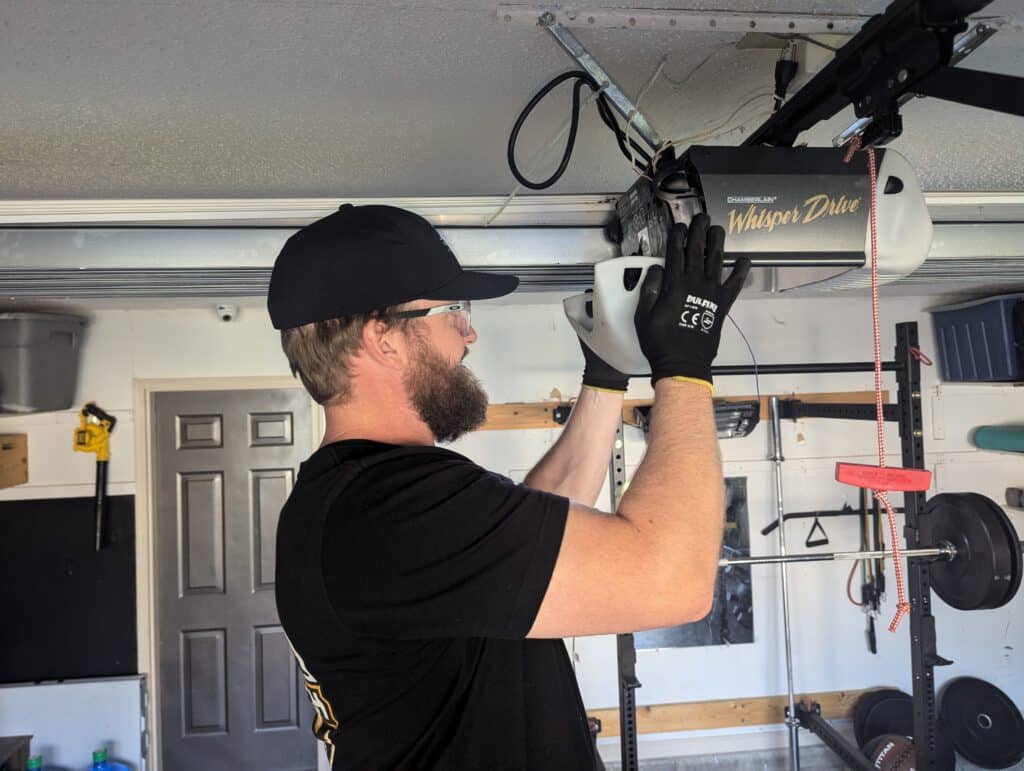
Understanding the difference between mechanical and electrical components helps target the right parts during maintenance. Here’s a quick comparison:
| Component Type | Examples | Typical Issues | Maintenance Type |
| Mechanical | Chains, belts, trolley, springs | Wear, noise, slack | Lubrication, replacement |
| Electrical | Sensors, remote, limit switches | Misalignment, short circuits | Cleaning, testing |
Both mechanical and electrical components are vital to properly functioning a garage door opener. If one part of the system is neglected, it can strain the other, leading to reduced performance, safety hazards, or total failure.
To keep the system running safely and smoothly:
- Perform routine visual inspections of all components.
- Regularly test operational features like auto-reverse, remote control response, and limit settings.
- Schedule preventive maintenance to address minor issues before they become major problems.
By balancing mechanical upkeep and electrical diagnostics, homeowners can ensure the long-term reliability and optimal performance of their garage door opener system.
Frequently Asked Questions
What are garage door sections?
Garage door sections are the horizontal panels that make up the body of the door. Most modern garage doors are sectional and consist of 3 to 5 panels connected by hinges. These sections allow the door to bend and follow a curved track as it opens and closes.
What is included in a garage door opener?
A garage door opener typically includes the motor unit, rail or track, trolley, remote controls, wall-mounted control panel, and safety sensors. Depending on the model, it may also come with a belt or chain drive system. Some openers include smart features like Wi-Fi connectivity and backup batteries.
What is a garage door mechanism called?
The garage door opener system is the mechanism that operates a garage door. It includes the opener motor, springs, cables, tracks, and rollers that work together to lift and lower the door. Depending on the design, it can be chain-driven, belt-driven, screw-driven, or direct-drive.
What is the garage door trim called?
The trim around a garage door is often called garage door stop molding or exterior casing. It helps seal gaps, improves insulation, and enhances the door’s appearance. When it includes flexible sealing components, some also refer to it as weatherstripping.
What are the parts of a garage door opener?
A garage door opener includes parts such as the motor, drive mechanism (belt, chain, or screw), trolley, rail, safety sensors, remote controls, and a wall switch. It also has limit switches, a light, and an emergency release cord. These components work together to control and automate the garage door’s opening and closing.
Conclusion
Understanding the essential parts of a garage door opener is the first step in keeping your system running safely and reliably. Timely maintenance and part replacement ensure the system lasts longer and performs consistently.
Simple checks like sensor alignment, belt condition, and remote function can prevent large repair costs. This regular upkeep enhances safety and comfort for your household. If you’re unsure what parts to inspect or replace, consulting professionals is always best.
Protech Garage Doors is here to help with trusted service and quality parts. Our team ensures your opener runs like new and has top-tier maintenance and installations.
End Note
ProTech Garage Door Services is your reliable partner for everything garage door-related. Learn more about our mission, team, and commitment to excellence on our About page. We’re here to support and inform homeowners with detailed articles on our blog and helpful answers to common concerns on our FAQ page.
We specialize in new garage door installation and offer a full range of garage door services in Noblesville, IN, from garage door opener installations to dependable garage door repairs in Noblesville and Fishers, IN. Browse our gallery to see examples of our work and the high standards we bring to every job.
To get started, reach out via our contact page for personalized assistance or to schedule a service. You can also follow us on Facebook and Instagram for updates, tips, and a behind-the-scenes look at what we do best. We’re here to ensure your garage door is safe, functional, and built to last.
Protech Garage Doors
23 S 8th St ste. 2200, Noblesville, IN 46060
+13173161073